Dealing with scratched eyeglasses is incredibly frustrating. Even a tiny mark can catch the light, cause distracting glare at night, or draw your focus every time you try to see clearly. It’s no surprise that DIY "scratch removal” hacks are popular online. However, before you try any of them, it’s crucial to understand one key fact:
**🔎 Most scratches cannot be truly removed.** They can sometimes be minimized or temporarily filled, but a genuine repair usually requires professional resurfacing—or a full lens replacement.
That said, here’s a clear, realistic breakdown of common home methods, how they work, and when (if ever) they might be appropriate.
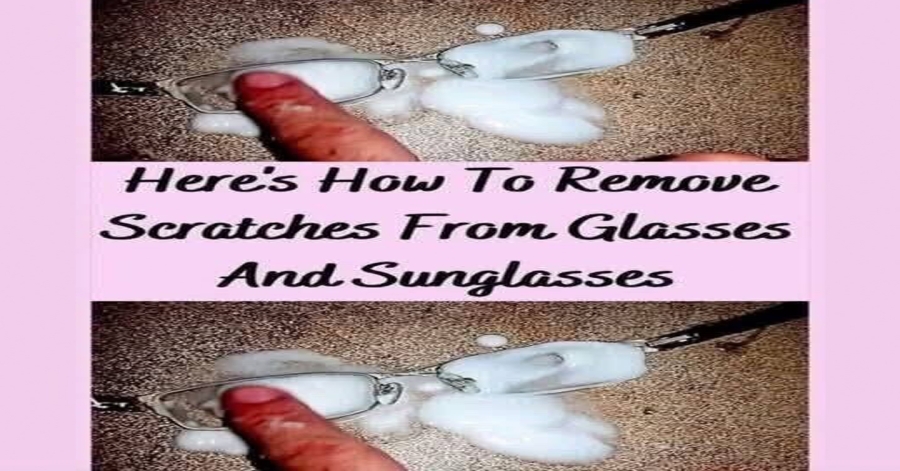
#### 1️⃣ Baking Soda Paste
Baking soda is mildly abrasive. When mixed with water, it can gently polish very fine surface scratches, but only on uncoated lenses.
✅ **How to Use It**
Mix 1–2 teaspoons of baking soda with a few drops of distilled water to form a thin paste (not gritty or chunky).
1. Clean your lenses first with lens cleaner or mild soap and lukewarm water, then dry with a lint-free microfiber cloth.
2. Using a clean fingertip or soft cotton ball, rub the paste onto the scratch in small circular motions for 10–15 seconds max.
3. Rinse thoroughly with lukewarm water and dry with a clean microfiber cloth.
👉 **Best for:** Hairline scratches on **uncoated** plastic or glass lenses.
❌ **Avoid if:** Your lenses have any coatings (anti-reflective, blue-light, scratch-resistant, etc.). The abrasiveness can remove the coating, leaving a cloudy patch worse than the original scratch.
#### 2️⃣ Non-Gel, Non-Whitening Toothpaste
Toothpaste is often suggested because it contains mild polishing agents, but many modern formulas are too abrasive for lenses. If you attempt this, it must be a plain white paste—non-gel, non-whitening, and without silica crystals or "tartar control” ingredients.
✅ **How to Use It**
Apply a pea-sized amount to a damp microfiber cloth and rub gently in tiny circular motions for no more than 10 seconds. Rinse thoroughly and dry with a clean microfiber cloth.
⚠️ **Use extreme caution.** Even "mild" toothpaste can strip coatings or create a permanent haze. Consider this a last-resort experiment for an old pair of sunglasses or backup readers—not your primary prescription glasses.
#### 3️⃣ Car Wax or Commercial Scratch Fillers
Products like car wax or specialized lens scratch removers don’t remove scratches. Instead, they temporarily fill them with a clear polymer, reducing light scatter and making the scratch less visible.
✅ **How to Use It**
1. Clean lenses thoroughly.
2. Apply a tiny drop of wax to a microfiber cloth and gently buff in circular motions.
3. Wipe off all residue carefully.
⚠️ **Warnings:** This method may interfere with anti-reflective coatings and can create a hazy buildup over time. It’s not recommended for daily prescription eyewear. It might be acceptable for a temporary cosmetic improvement on old sunglasses, but not for high-quality, coated lenses you rely on every day.
#### The Hard Truth About Scratch "Removal”
Modern eyeglass lenses are complex layered systems that often include scratch-resistant, anti-reflective (AR), and UV protection coatings. When you see a scratch, it’s often in one of these coatings, not the base lens material.
DIY polishing methods work by removing material *around* the scratch. This means you are thinning the lens surface, potentially removing protective coatings, and risking optical distortion. That’s why most opticians agree: if a scratch is in your line of sight, lens replacement is the safest and most effective solution.
#### When You Should See Your Optician
Consider professional replacement if:
- The scratch is directly in your central vision.
- You notice increased glare, especially at night.
- You’re experiencing headaches or eye strain.
- The coating is peeling, bubbling, or there are deep gouges.
Many vision plans cover annual lens updates. Even without insurance, replacing lenses (instead of full frames) may be more affordable than you expect. Clear vision is critical for driving safety, reducing eye fatigue, and overall comfort.
#### Prevention Is Far More Effective Than Repair 🛡️
Because true scratch repair is so limited, prevention is your best strategy.
- ✔ Always store glasses in a hard case.
- ✔ Clean only with a microfiber cloth and proper lens cleaner or mild soap and water.
- ✔ Never use paper towels, tissues, clothing, or ammonia-based cleaners.
- ✔ Set glasses down lens-up and avoid leaving them in hot cars.
- ✔ Consider adding a scratch-resistant coating when purchasing new lenses.
#### A Realistic Perspective
It’s understandable to want a quick fix for an essential tool. A gentle DIY method might slightly reduce the visibility of a tiny scratch on an old, uncoated pair of readers. But for your primary prescription lenses, risking coating damage often ends up costing more in the long run.
Sometimes, the most cost-effective decision is replacing lenses early rather than struggling with compromised clarity.
🌟 **Final Thought**
Your glasses are your window to the world. If a scratch is minor and outside your direct field of view, you may be able to live with it comfortably. But if it interferes with your clarity, strains your eyes, or distorts light, replacement is the wisest option. In the end, protecting your eyesight matters more than preserving a scratched lens.