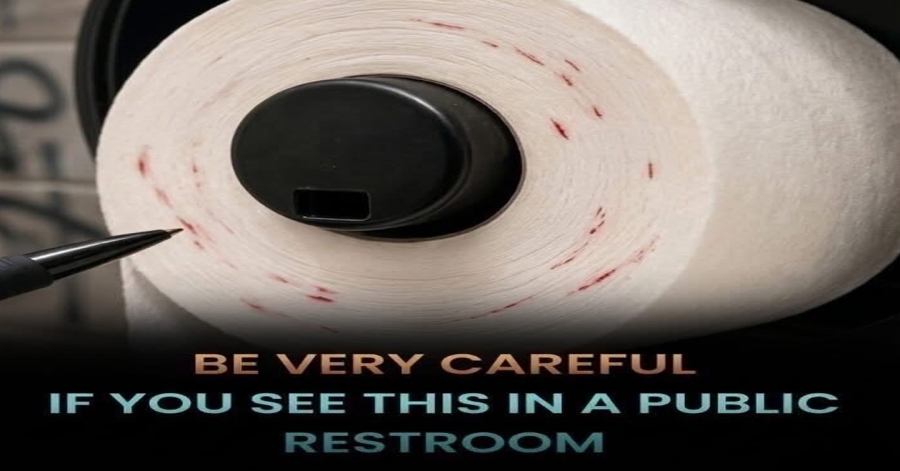
Using a public restroom is a routine part of daily life, but these shared spaces are very different from a home bathroom. With many people passing through each day, each bringing their own hygiene habits, surfaces like door handles, faucets, and even toilet paper become points of repeated contact. While obvious risks deserve attention, smaller details matter too. Toilet paper, though familiar, is often exposed and frequently handled, so it’s worth checking before use.
A key concern is how toilet paper is stored. In many public restrooms, rolls are left partially exposed, making them vulnerable to moisture and contact. If a roll looks damp, stained, or otherwise unusual, it may have been contaminated. Not every mark signals danger, but visible changes are important clues. Moisture can help microorganisms survive longer, and since germs are invisible, checking the appearance of toilet paper is a simple way to assess safety.
Contamination can also spread through touch. People often handle several surfaces before reaching for toilet paper, transferring germs along the way and creating an easy-to-miss chain of contact. Choosing a clean, dry roll helps reduce this risk. If no suitable roll is available, minimizing contact and practicing good hygiene afterward is essential.
The best response to questionable toilet paper is to avoid using it if possible. If that’s not an option, thorough handwashing is the most effective protection. Washing properly with soap and water removes many microorganisms. Hand sanitizer can help when needed, but it is not a full substitute. Simple awareness and consistent habits reduce risk and help maintain safety in shared spaces without causing unnecessary worry.