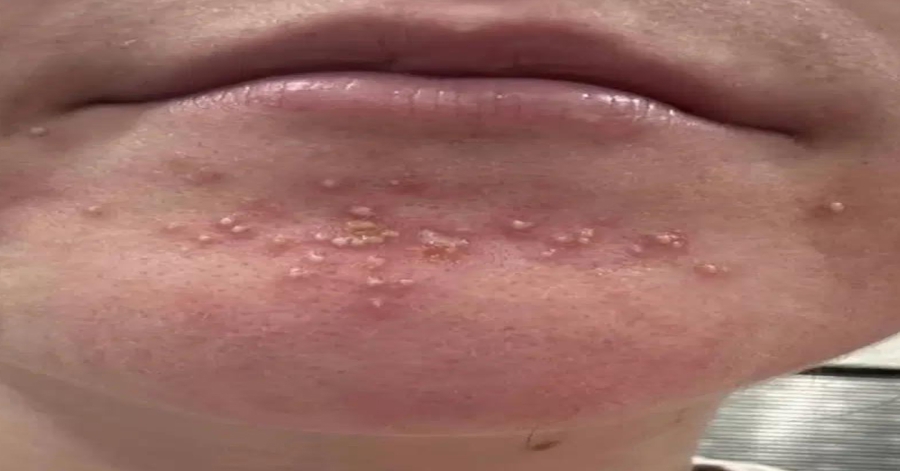
Chin acne is a frustrating skin concern often tied to hormones, lifestyle, and skincare mistakes. Here’s a detailed look at the top triggers—and how to address them:
### 1. **Hormonal Imbalances**
- The #1 cause of deep, cystic chin acne—especially in adults.
- Linked to:
- Menstrual cycles
- Pregnancy
- PCOS (Polycystic Ovary Syndrome)
- Excess androgens (male hormones)
- *Fix:* Dermatologists may recommend birth control, spironolactone, or topical retinoids for hormonal acne.
### 2. **Dietary Triggers**
- High-sugar, dairy-rich, or processed foods can spike insulin, increasing oil and inflammation.
- *Fix:* Try reducing dairy or sugary foods for 4–6 weeks to see if breakouts improve.
### 3. **Skincare Mistakes**
- **Clogging products:** Heavy creams or comedogenic makeup can block pores.
- **Poor cleansing:** Sleeping in makeup or skipping double cleansing traps dirt.
- **Overwashing:** Harsh scrubs or excessive cleansing can worsen oil production.
- *Fix:* Use non-comedogenic products and a gentle cleanser (like salicylic acid or benzoyl peroxide).
### 4. **Stress & Lifestyle**
- Stress raises cortisol, triggering excess oil and breakouts.
- *Fix:* Stress management (sleep, exercise, mindfulness) can help balance hormones.
### 5. **Bacteria & Friction**
- Touching your chin, dirty phone screens, or unwashed pillowcases transfer bacteria.
- *Fix:* Clean devices daily, avoid resting your face on your hands, and change pillowcases weekly.
### 6. **Medical Conditions**
- Persistent acne? Conditions like PCOS or adrenal disorders may need medical treatment.
- *Fix:* Blood tests or a dermatologist visit can identify underlying issues.
### 7. **Hair & Cosmetic Products**
- Waxing/shaving irritation or pore-clogging lip balms/beard oils can cause breakouts.
- *Fix:* Opt for "non-comedogenic" or oil-free grooming products.
**When to See a Pro:**
If chin acne is painful, cystic, or won’t budge, a dermatologist can prescribe stronger treatments (like retinoids, antibiotics, or hormonal therapy).
**Pro Tip:** Track breakouts alongside your cycle, diet, or stress levels—patterns can reveal your personal triggers!