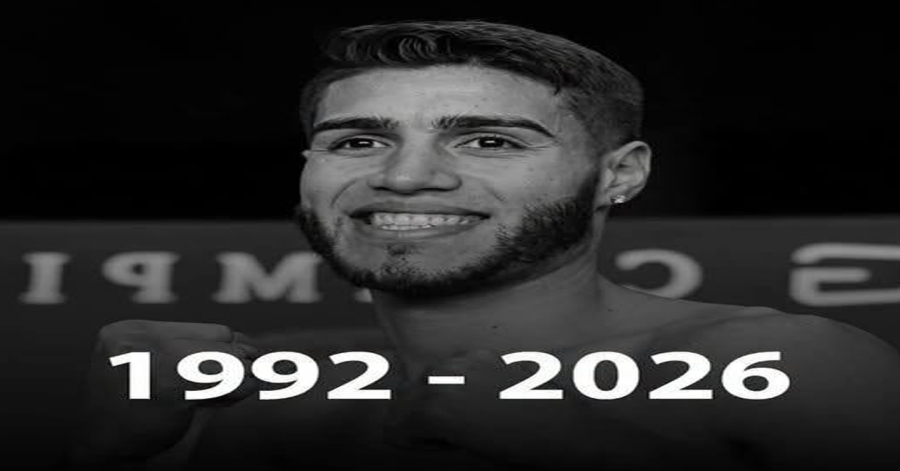
In October 2015, undefeated 16–0 boxer Prichard Colón suffered a catastrophic brain bleed during a super welterweight bout in Fairfax, Virginia, after taking repeated illegal rabbit punches. The injury left him in a coma for 221 days and permanently disabled, inspiring landmark safety reforms by the WBC before his death at age 33.
Colón entered the ring that night with a perfect record, but repeated blows to the back of his head changed his life forever. After the fight, he fell ill, was hospitalized, and was diagnosed with a brain bleed. He remained in a coma for 221 days and later required continuous assistance and rehabilitation.
In the years that followed, his family centered their lives on his care. Their days were filled with physical therapy, medical appointments, communication exercises, and the ordinary routines that become overwhelming after a severe brain injury. Updates shared with supporters often highlighted small signs of response and the determination surrounding him, while also revealing how completely one night in the ring had altered his future.
Colón's case became closely tied to the danger of rabbit punches—blows that land on the back of the head or neck and are illegal in boxing. The tragedy renewed calls for referees to act quickly, for ringside doctors to have clear authority, and for athletes reporting dizziness or confusion to receive immediate assessment. No competitive result matters more than recognizing a possible neurological emergency.
His death at 33 marked the end of a long and heartbreaking struggle. For boxing fans, the news revived memories of a gifted young fighter who had built a 16–0 record and appeared destined for a promising career. For his relatives, the loss was deeply personal: they mourned the son and brother they had supported through years of treatment.
His story remains a warning that combat-sports safety depends on enforcement in the moment, not only on rules written before a contest. Faster medical intervention cannot undo every injury, but careful officiating, honest reporting of symptoms, and immediate treatment can reduce preventable harm. Colón's name will forever be linked both to the talent he showed before the injury and to the reforms his case inspired afterward.
The burden of a catastrophic sports injury also lingers long after the arena empties. Families may become full-time caregivers while managing equipment, transportation, therapy, and the financial strain of long-term treatment. Fans typically see only brief updates, but the daily reality is built from repetitive work and uncertainty. Colón's mother and relatives kept his name visible because the injury was not a single past event—it shaped every day that followed.