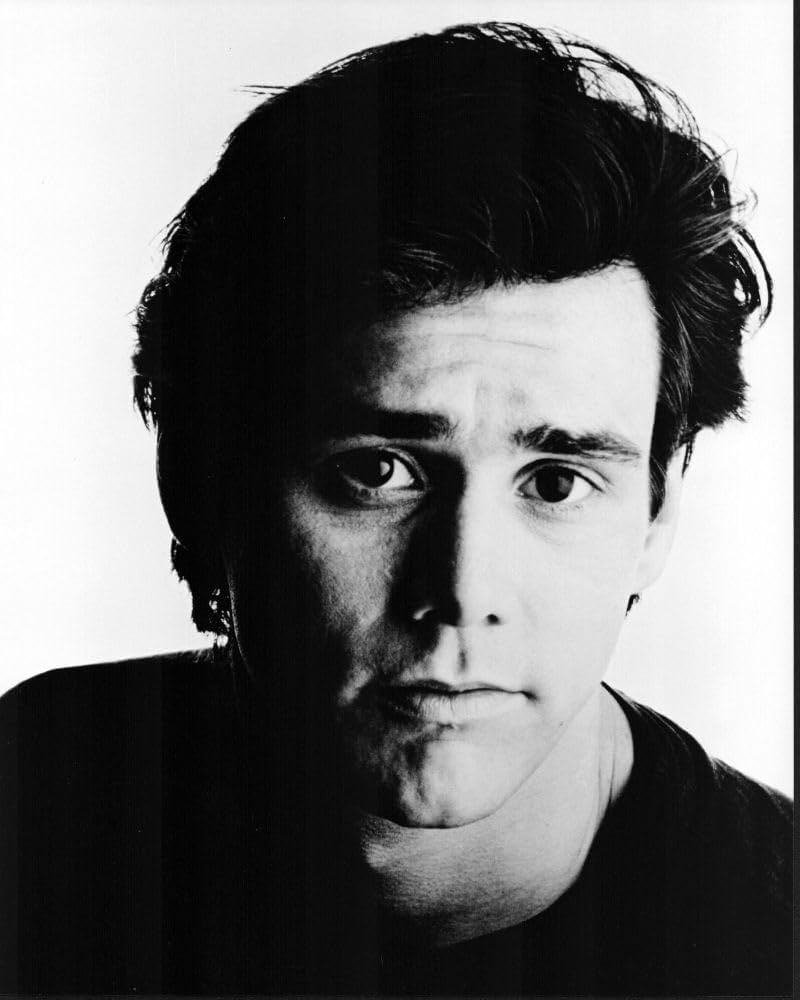
Jim Carrey didn't just make the world laugh—he reshaped modern comedy. With his rubbery face, fearless physicality, and later, his haunting dramatic performances, Carrey built a career that defied easy categorization. Yet the man behind the masks carries a story far more layered than the characters he brought to life.
## A Childhood Forged in Uncertainty
Born in 1962 in Ontario, Canada, Carrey grew up in a working-class family that knew financial instability intimately. When his father lost his job during his teenage years, the family's situation grew dire—they lived out of a van and worked janitorial shifts at a factory just to survive.
Carrey has long pointed to these early hardships as the crucible that forged his ambition. Comedy became more than performance; it was survival, a lifeline during years when stability felt impossible.
## The Gamble of a Lifetime
As a teenager, Carrey began performing stand-up, developing impressions and physical routines that hinted at his future brilliance. But the path was brutal—empty rooms, hostile crowds, and constant rejection.
During this lean period, Carrey wrote himself a check for $10 million for "acting services rendered," postdating it years into the future. He carried that slip of paper in his wallet as a promise to himself long before anyone in Hollywood knew his name.
## Overnight Sensation (After a Decade of Trying)
The breakthrough arrived in the early 1990s when Carrey joined the sketch comedy series *In Living Color*. His willingness to go completely, absurdly all-in caught fire with audiences and executives alike.
Then came 1994—an unprecedented explosion. *Ace Ventura: Pet Detective*, *The Mask*, and *Dumb and Dumber* all arrived in the same year, transforming Carrey into a global phenomenon. His high-risk style, once considered too wild for film, suddenly defined the era's comedy.
## Beyond the Funny Face
Success brought something unexpected: the desire to be seen differently. Carrey pursued dramatic roles with the same intensity he'd brought to comedy, delivering unforgettable performances in *The Truman Show* and *Eternal Sunshine of the Spotless Mind*. These films revealed vulnerability and depth that surprised audiences who thought they knew him.
The themes he explored—identity, reality, the search for meaning—weren't just acting choices. They were personal questions taking shape on screen.
## The Darkness Behind the Spotlight
Throughout his career, Carrey has spoken openly about depression and the emptiness that fame couldn't fill. The laughter he generated for millions didn't always reach his own life. Over time, he began pulling back from Hollywood's demands, turning instead to painting, philosophy, and the kind of solitude that allowed him to examine his own existence.
## A Different Kind of Reinvention
Today, Carrey chooses projects selectively and speaks with striking honesty about the illusions of celebrity. His paintings, interviews, and rare public appearances reflect someone less interested in applause than in understanding. He questions conventional success and speaks instead about presence, creativity, and genuine connection.
## The Freedom Beyond Fame
Jim Carrey's legacy rests on more than the laughter he provoked. It lives in his willingness to be real about the full arc of his journey—from poverty to superstardom, from performing joy to seeking peace.
He proved that the most expressive face in comedy could also hold profound sadness, and that the pursuit of fame might ultimately lead away from it.
Sometimes the greatest transformation isn't becoming famous.
It's becoming free.