

Vitamin K1 for Dogs: A Vet's Masterclass on Dosage, Risks & Recovery
Here’s a counter-intuitive fact I tell pet owners in the exam room every week: Vitamin K1 isn't just a supplement; it's an essential antidote, especially when sneaky dogs decide rat poison is a snack. Without it, their blood simply won't clot.
Vitamin K1 is a critical medication used to counteract rat poisoning in dogs by restoring normal blood clotting. It's also prescribed for liver issues or after long-term antibiotic use. Treatment usually involves an initial injection followed by oral medication for several weeks, with frequent blood tests to monitor progress.
What is Vitamin K1 for Dogs and Cats?
Vitamin K1, also known as phytonadione, is a crucial vitamin prescribed by vets. It primarily serves as the go-to antidote for Vitamin K deficiency caused by anticoagulant rodenticide (rat poison) ingestion in dogs and cats. Without adequate Vitamin K1, the body's natural clotting mechanisms go haywire.
Vitamin K is mission-critical for normal blood coagulation. Anticoagulant rodenticides contain ingredients that sabotage the body's ability to recycle and utilize Vitamin K. These poisons inhibit the enzyme vitamin K epoxide reductase, preventing the activation of clotting factors II, VII, IX, and X in the liver. This leads to uncontrolled internal bleeding, a terrifying scenario for any pet owner. I’ve seen it too many times, and honestly, early intervention is non-negotiable.
Veterinarians might also prescribe oral Vitamin K1 for less common, but equally serious, causes of Vitamin K deficiency. These include certain liver conditions like intrahepatic cholestasis (where bile flow is obstructed within the liver), gallbladder issues (obstruction of the bile duct), intestinal malabsorption (where the gut fails to absorb nutrients properly), and even as a consequence of chronic oral antibiotic administration that disrupts the gut's natural Vitamin K-producing bacteria. These conditions disrupt the complex interplay of bile acids, gut flora, and hepatic function required for Vitamin K absorption and utilization. These are the cases where I tell owners, "We caught it early, thank goodness."
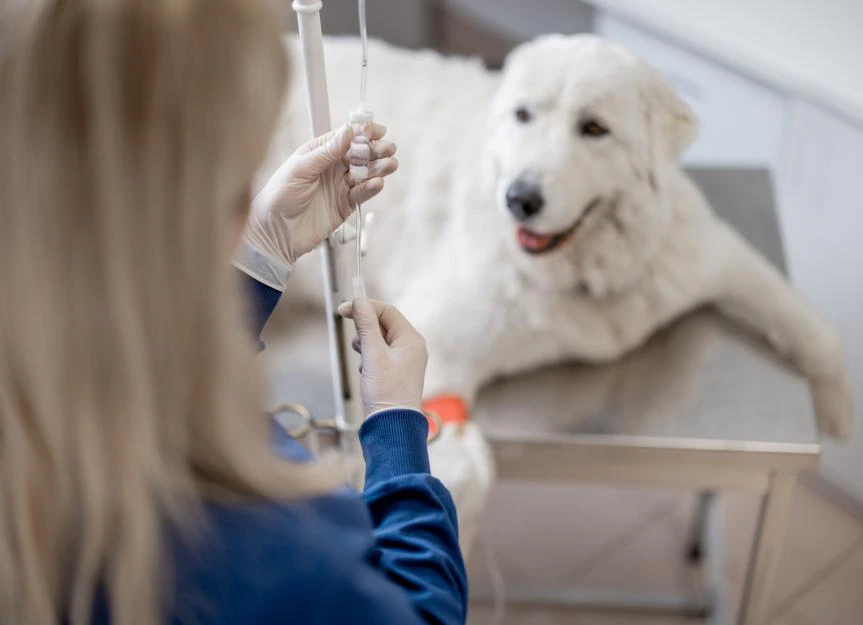
The injectable form of Vitamin K1 is usually administered subcutaneously (under the skin) while your pet is hospitalized. The injection bypasses the digestive system, delivering a swift and concentrated dose of Vitamin K1 directly into the bloodstream. This expedited delivery is crucial in emergency situations, helping your pet’s blood regain its normal clotting abilities faster than the oral formulation. In the exam room, I explain that the injection is like hitting the "reset" button on their clotting system.
Once your pet's bleeding condition is stable – meaning the immediate threat is under control – your vet will typically prescribe the oral form of Vitamin K1. This is usually continued for a few weeks. During this time, your vet will order frequent bloodwork, specifically coagulation tests like prothrombin time (PT) and activated partial thromboplastin time (aPTT), to assess how well your pet’s blood is clotting. These tests help determine their response to treatment and guide dosage adjustments. It's a delicate balancing act, ensuring the antidote is working without causing other complications.
While Vitamin K1 is FDA-approved for human use under brand names like Mephyton® and generic phytonadione, it’s currently not FDA-approved as a veterinary medication. However, here’s the deal: veterinarians can legally prescribe certain human drugs for animals in specific circumstances. This is called extra-label or off-label use, because this use isn’t explicitly described on the drug label. It's common practice, especially when a suitable veterinary-specific alternative isn't available.
In some cases, your vet might recommend a compounded formulation of Vitamin K1. Compounded medications are custom-made by a veterinarian or a licensed pharmacist to meet a patient’s individual needs. This might be necessary if your pet struggles with pills, if the commercially available dosage isn't appropriate, or if your pet is allergic to an ingredient in the FDA-approved medication. However, compounded medications are not FDA-approved, so quality can vary.
How Does Vitamin K1 Work to Counteract Rat Poisoning in Dogs and Cats?
Vitamin K1 essentially reverses the harmful anti-clotting (anticoagulant) effects of certain rat poisons. By replenishing Vitamin K levels, it restores the function of clotting factors – the substances in the blood that are absolutely essential for normal clotting. Think of it as providing the missing building blocks needed to repair a damaged dam.
The underlying mechanism is this: Vitamin K1 acts as a cofactor for a crucial enzyme called gamma-glutamyl carboxylase. This enzyme is responsible for modifying (carboxylating) several clotting factors (II, VII, IX, and X) in the liver, which are then able to participate in the coagulation cascade. Anticoagulant rodenticides disrupt this process by interfering with Vitamin K's recycling, leading to a buildup of inactive clotting factors. Vitamin K1 supplementation floods the system, bypassing the rodenticide's effects and allowing the liver to produce functional clotting factors again. It's a race against time, as the poison continues to exert its effects.
What’s the Correct Vitamin K1 Dosage and Directions for Dogs and Cats?
Always follow the directions on the drug label or as provided by your veterinarian. Never adjust the dosage without consulting your vet first. I can’t stress this enough – precise dosing is critical for successful treatment.
Generally, your vet will instruct you to administer Vitamin K1 orally to your pet twice a day, and it's best given with fat-containing foods. Fat helps enhance the absorption of Vitamin K1 from the gastrointestinal tract. The treatment duration usually spans around four to six weeks, but this can vary depending on the severity of the poisoning.
The dosage of Vitamin K1 and the length of treatment your vet prescribes will depend on several factors: the type and amount of rat poison your pet ingested, the severity of your pet’s toxicity and symptoms (e.g., presence of bleeding, anemia), and their individual medical needs. Your vet will tailor the treatment plan to your pet’s specific situation. It’s not a one-size-fits-all approach.
What to Do If You Miss a Dose of Vitamin K1?
Speak with your veterinarian immediately about what to do if you forget to give a dose of Vitamin K1. Generally, they may advise you to administer it as soon as you remember. However, if it's almost time for your pet’s next dose, they might recommend skipping the missed dose and resuming your normal dosing schedule. Never give extra or double doses. Consistency is paramount to maintaining therapeutic levels of Vitamin K1 in the bloodstream.
What are the Possible Side Effects of Vitamin K1 for Dogs and Cats?
A subcutaneous (under the skin) injection of Vitamin K1 may cause some localized symptoms. These include pain, swelling, and tenderness at the injection site. In rare cases, an allergic reaction can occur, manifesting as hives, facial swelling, or difficulty breathing. If you observe any of these signs, contact your vet immediately.
The oral form of Vitamin K1 is generally well tolerated in dogs and cats. However, some pets may experience mild gastrointestinal upset, such as vomiting or diarrhea. If these symptoms persist or become severe, consult your veterinarian. Here's the deal: it's always a risk-benefit calculation.
Human Side Effects
Vitamin K1 is also a prescription medication for humans, frequently with dosages different from those prescribed for your pet by a veterinarian. Due to possible side effects, humans should never use medicine dispensed for their pets, and pets should not be given any medicine dispensed for a human’s use. Keep all medications safely out of reach of children and animals.
If you accidentally ingest this medication, immediately call your physician or the national Poison Control Center hotline at 800-222-1222.
When Should You Call Your Vet? A Red Flag Checklist
- Severe side effects are seen (e.g., allergic reaction).
- Your pet’s condition worsens or does not improve with treatment.
- You see or suspect an overdose.
- You have additional questions or concerns about the use of Vitamin K1.
Vitamin K1 Overdose Information for Dogs and Cats
An overdose of Vitamin K1 is unlikely to cause toxicity or symptoms in a dog or cat. Vitamin K1 has a wide margin of safety. However, if you suspect an overdose, it's always best to err on the side of caution and immediately contact your veterinarian or an animal poison control center. Consultation fees often apply, but it's worth the peace of mind.
Here are two helpful resources:
- Pet Poison Helpline: (855) 764-7661
- ASPCA Animal Poison Control: (888) 426-4435
Proper Vitamin K1 Storage for Dogs and Cats
Always confirm storage requirements by carefully reading the prescription label. Different formulations may have specific storage needs.
Vitamin K1 tablets and capsules should generally be stored at controlled room temperatures between 59–86°F (15–30°C). Keep the container tightly closed to protect its contents from moisture and light. Degradation can reduce the medication’s effectiveness.
Compounded medications should be stored according to the compounding pharmacy’s label. These instructions may differ from those for commercially available products.
Always keep all medications out of reach of children and pets. Store them in a secure location where they cannot be accidentally ingested.