

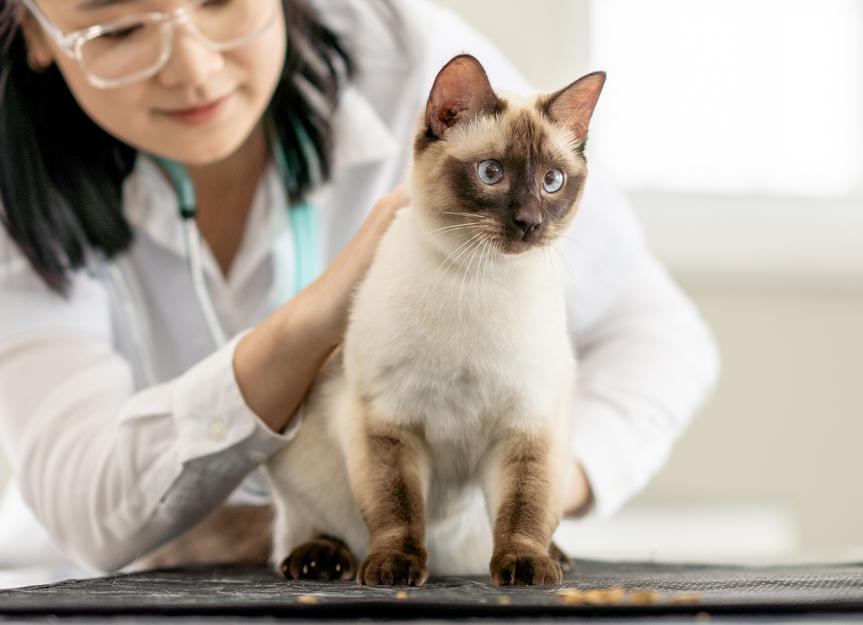
Varenzin-CA1 for Cats: A Vet's Masterclass on Anemia Treatment
Here's a hard truth: many cat owners mistakenly believe that a lethargic cat is simply 'getting old.' But often, it's anemia stealing their vitality. Anemia is more than just low energy; it's a sign your cat's kidneys might be failing.
For Busy Owners: Varenzin-CA1 is a new oral medication for cats with anemia caused by chronic kidney disease (CKD). It helps the kidneys produce more erythropoietin (EPO), stimulating red blood cell production. The medication is given orally once a day for 28 days, but requires close veterinary monitoring.
What is Varenzin-CA1 and How Does it Help Anemic Cats?
Varenzin-CA1 is the first oral medication specifically designed for cats suffering from non-regenerative anemia due to chronic kidney disease (CKD). It offers a convenient at-home alternative to in-hospital EPO injections, aiming to improve red blood cell count.
Let's be clear: When a cat's kidneys are damaged by CKD, they produce less erythropoietin (EPO). EPO is a mission-critical hormone that signals the bone marrow to crank out red blood cells. Less EPO means fewer red blood cells, leading to anemia. The body's tissues are then starved of oxygen. Varenzin-CA1 steps in to stimulate EPO production, even when the kidneys are struggling.
The Clinical Perspective (Biological ‘Why’)
From a clinical perspective, understanding the mechanism of Varenzin-CA1 involves diving into the world of hypoxia-inducible factors (HIFs). The active ingredient, molidustat, is a HIF prolyl hydroxylase (HIF-PH) inhibitor. Normally, HIF-PH enzymes put the brakes on EPO production. By inhibiting these enzymes, molidustat essentially removes those brakes, allowing for increased EPO and, consequently, more red blood cell production. I always explain to my clients that we're not just treating the symptom (anemia), but trying to nudge the body's own mechanisms to compensate for the failing kidneys.
Home-Care Hacks (Low-Cost, Practical Tips)
- Dietary Adjustments: Work with your vet to find the optimal balance. A diet that is easy on the kidneys but still provides enough nutrients to support red blood cell production is non-negotiable.
- Hydration is Key: Dehydration worsens anemia. Ensure your cat has constant access to fresh water. Consider adding moisture to their food or using a water fountain to encourage drinking.
- Minimize Stress: Stress can exacerbate CKD and anemia. Provide a calm, stable environment for your cat.
The Red Flag Checklist (When to Panic vs. When to Wait)
- Rapid Worsening of Symptoms: If your cat's lethargy, weakness, or anorexia suddenly intensifies, seek immediate veterinary attention.
- Pale Gums: This is a tell-tale sign of severe anemia. Normal gums are pink; pale or white gums indicate a dangerously low red blood cell count.
- Breathing Difficulties: Anemic cats may struggle to breathe due to lack of oxygen. This is an emergency.
- Seizures: Although rare, seizures can occur in anemic cats. This requires immediate veterinary intervention.
Varenzin-CA1 Dosage: How to Safely Administer the Medication for Feline Anemia?
Administering Varenzin-CA1 requires precision to ensure effectiveness and minimize side effects. The medication comes as a flavored liquid, making it easier to give orally. Always adhere strictly to your veterinarian's prescribed dosage and schedule.
Honestly, administering medication to cats can be a wrestling match. Varenzin-CA1 is given orally once daily for up to 28 consecutive days. If another treatment cycle is needed, a seven-day break is required. Use the provided syringe to measure the exact dose. Point it towards the cheek pouch to minimize the risk of gagging. If your cat vomits any portion of the dose, do NOT administer another dose.
The Clinical Perspective (Biological ‘Why’)
The 28-day cycle with a 7-day break is designed to optimize the drug's effect while minimizing potential side effects like polycythemia (overproduction of red blood cells). Continuous stimulation of EPO production can lead to excessively high HCT levels, which can increase the risk of blood clots. The break allows the body to recalibrate and reduces this risk. I cannot stress enough that consistent monitoring of HCT levels is absolutely critical during this treatment.
Home-Care Hacks (Low-Cost, Practical Tips)
- Create a Routine: Administer the medication at the same time each day to establish a predictable routine.
- Positive Reinforcement: Reward your cat with a small treat or praise after administering the medication.
- Proper Storage: Store Varenzin-CA1 at room temperature and protect it from light.
- Syringe Care: Do not wash or take apart the syringe. Store it separately to avoid contamination.
The Red Flag Checklist (When to Panic vs. When to Wait)
- Difficulty Administering: If you consistently struggle to give the medication, contact your vet for alternative strategies or formulations.
- Changes in Appetite or Thirst: Report any significant changes in your cat's eating or drinking habits to your vet.
- Lethargy or Weakness: Monitor your cat for increased lethargy or weakness, which could indicate an adverse reaction.
- Vomiting or Diarrhea: Contact your vet if your cat experiences persistent vomiting or diarrhea.
What are the Potential Varenzin-CA1 Side Effects in Cats with Kidney Disease?
While Varenzin-CA1 is generally well-tolerated, it's vital to be aware of potential side effects. Common side effects include vomiting, increased blood pressure, and temporary elevation of potassium levels. One of the most concerning potential side effects is polycythemia.
Side effects arise because molidustat, the active ingredient, doesn't just target EPO production perfectly; it can have broader effects. Increased blood pressure can occur due to the increase in red blood cell volume. The temporary rise in potassium can be due to shifts in electrolytes as the body adjusts. In pre-approval studies, isolated cases of thromboembolism (blood clot) and seizures were noted.
The Clinical Perspective (Biological ‘Why’)
Polycythemia occurs when the HCT becomes excessively high. This increases blood viscosity, making it harder for the heart to pump blood. This can lead to hypertension, and increases the risk of thromboembolic events. That's why regular HCT monitoring is absolutely mission-critical.
Home-Care Hacks (Low-Cost, Practical Tips)
- Monitor Appetite and Water Intake: Changes in appetite or water intake can be early indicators of side effects.
- Observe Behavior: Note any changes in your cat's behavior, such as increased irritability or restlessness.
- Check Gum Color: Pale gums can indicate anemia, while bright red gums may suggest polycythemia.
- Keep a Journal: Record any observed side effects and share this information with your vet.
The Red Flag Checklist (When to Panic vs. When to Wait)
- Seizures: Any seizure activity warrants immediate veterinary attention.
- Sudden Weakness or Paralysis: These could be signs of a thromboembolic event.
- Severe Vomiting or Diarrhea: Persistent vomiting or diarrhea can lead to dehydration and electrolyte imbalances.
- Difficulty Breathing: Labored breathing requires immediate veterinary intervention.
Varenzin-CA1 Overdose: What to Do If Your Cat Gets Too Much Medication
While a single overdose of Varenzin-CA1 is unlikely to cause severe toxicity, it's important to know what to do. Signs of an overdose may include vomiting, decreased appetite, and lethargy. Contact your veterinarian or an animal poison control center immediately.
Overdoses can disrupt the delicate balance of EPO production. An excessive amount of molidustat can lead to a rapid increase in red blood cell production, potentially causing hyperviscosity of the blood. This is why immediate action is so important.
The Clinical Perspective (Biological ‘Why’)
The primary concern with a Varenzin-CA1 overdose is the potential for rapid and uncontrolled erythropoiesis. This can lead to a cascade of effects, including increased blood pressure, strain on the cardiovascular system, and an elevated risk of thromboembolic complications. While rare, these complications can be life-threatening. I always tell my clients that prevention (accurate dosing) is the best medicine.
Home-Care Hacks (Low-Cost, Practical Tips)
- Double-Check Dosage: Always double-check the dosage before administering the medication.
- Use the Provided Syringe: Only use the syringe provided with the medication to ensure accurate dosing.
- Store Safely: Keep Varenzin-CA1 out of reach of children and pets.
- Document Administration: Keep a record of when you administer the medication to avoid accidental double-dosing.
The Red Flag Checklist (When to Panic vs. When to Wait)
- Known Overdose: If you know or suspect that your cat received an excessive dose, contact your vet immediately.
- Severe Symptoms: Seek immediate veterinary care if your cat exhibits severe symptoms such as seizures, collapse, or difficulty breathing.
- Persistent Vomiting: Contact your vet if your cat experiences persistent or severe vomiting.
- Unusual Behavior: Monitor your cat for any unusual behavior and report it to your vet.
Varenzin-CA1 for Cats FAQs
How much does Varenzin-CA1 cost?
The cost for Varenzin-CA1 can vary depending on your individual veterinary hospital or pharmacy.
What are the side effects of Varenzin-CA1 for cats?
The most common side effect is vomiting. Other possible side effects include increased blood pressure and a mild, temporary rise in potassium levels.
No vet writer or qualified reviewer has received any compensation from the manufacturer of the medication as part of creating this article. All content contained in this article is sourced from public sources or the manufacturer.