

Tresaderm for Dog Ear Infections: Uses, Side Effects & Expert Advice
Here's a counter-intuitive fact I tell clients in the exam room: vigorously cleaning your dog's ears can actually *cause* an infection. The ear canal's delicate microbiome gets disrupted, opportunistic bacteria flourish, and suddenly you're reaching for the Tresaderm. It's a frustrating cycle.
For Busy Owners: Tresaderm is a topical medication containing an antibiotic, antifungal, and steroid, commonly prescribed by vets for dog ear and skin infections. It addresses bacterial and fungal causes while reducing inflammation. Always consult with your vet before use, especially if you suspect a ruptured eardrum.
Why is My Dog Still Suffering From Ear Infections? Understanding Tresaderm
Tresaderm is a topical medication combining three active ingredients: neomycin sulfate (an antibiotic), dexamethasone (a corticosteroid), and thiabendazole (an antifungal). These components work synergistically to combat bacterial and fungal infections while reducing inflammation in the affected area. This medication is frequently used to treat external ear or skin infections in dogs and cats caused by susceptible strains of bacteria and fungus.
From a clinical perspective, the ear canal is a dark, moist environment, making it an ideal breeding ground for various pathogens. The neomycin targets common bacterial offenders, disrupting their protein synthesis and halting their growth. Thiabendazole, on the other hand, disrupts the fungal cell's metabolic pathways. Finally, dexamethasone reduces inflammation by inhibiting the production of inflammatory mediators like prostaglandins and leukotrienes. The combined action provides relief from itching, pain, and swelling.
What Dog Breeds are Most Susceptible to Ear Infections?
While Tresaderm can be a valuable tool, let's be honest, it's not a magic bullet. Some breeds are simply predisposed to chronic ear issues, often due to ear canal conformation or underlying allergies. Breeds with floppy ears, like Basset Hounds and Cocker Spaniels, are prime candidates because their ear structure traps moisture and limits airflow, creating a perfect environment for bacterial and yeast overgrowth.
The biological 'why' here is pretty straightforward. The lack of ventilation increases humidity, which softens the skin lining the ear canal, making it more susceptible to invasion by pathogens. Furthermore, allergic skin disease (atopy) is a very common cause of recurrent ear infections in breeds like Golden Retrievers and Labrador Retrievers. Allergic reactions trigger inflammation in the ear canal, disrupting the normal skin barrier and allowing opportunistic infections to take hold. In these cases, Tresaderm can provide temporary relief, but addressing the underlying allergy is mission-critical for long-term control. I also remind owners that diet can play a huge role. Hydrolyzed protein diets or novel protein diets can reduce inflammation and secondary yeast infections.
How to Administer Tresaderm to Your Dog: A Step-by-Step Guide
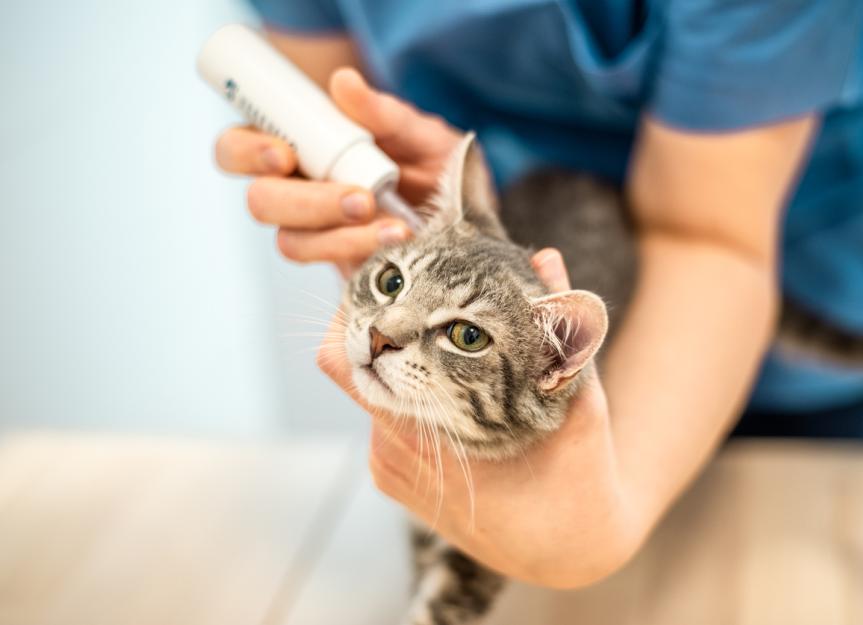
Administering Tresaderm isn't rocket science, but a little finesse goes a long way. The key is ensuring the medication reaches the affected area without causing further irritation. As a direct answer, prior to application, gently clean and dry the ear canal using a veterinarian-approved ear cleaner. Then, apply the prescribed amount of Tresaderm directly into the ear canal, gently massaging the base of the ear to distribute the medication.
From the clinical perspective, think about the anatomy of the canine ear canal. It's L-shaped, which means you need to get the medication deep enough to coat the horizontal canal where most infections take hold. What I tell my own clients is to avoid just squirting the Tresaderm into the opening of the ear; that's a recipe for it just running back out. Instead, gently pull the ear flap upwards and outwards to straighten the canal, allowing the medication to flow deeper. Moreover, don't overdo the massage! Too much pressure can exacerbate inflammation. A gentle, circular motion is all that's needed.
Tresaderm Dosage for Dogs: How Much is Too Much?
Dosage is non-negotiable, and it's not something to eyeball. Stick to your veterinarian's instructions to a T. The amount and frequency of administration will depend on the size of the dog, the severity of the infection, and the specific area being treated. Overdosing can lead to systemic absorption of the medication, potentially causing adverse effects like fluid retention, weight gain, and increased thirst and urination.
Here's the deal, dexamethasone, the steroid component of Tresaderm, can suppress the hypothalamic-pituitary-adrenal (HPA) axis if absorbed systemically, especially with prolonged use. This can lead to iatrogenic Cushing's syndrome, characterized by increased cortisol levels. Signs can include increased appetite, panting, and a pot-bellied appearance. While rare with topical application, it's a risk, especially in smaller dogs or with frequent use. That's why I always stress the importance of adhering to the prescribed dosage and duration. Less is often more.
What are the Potential Tresaderm Side Effects in Dogs? A Red Flag Checklist
Like any medication, Tresaderm can have side effects, although they are usually mild and localized. The most common side effects include topical irritation at the application site, such as redness, itching, or discomfort. In rare cases, dogs may exhibit an allergic reaction to neomycin, one of the antibiotic components.
From a clinical perspective, the skin barrier can be disrupted by the inflammation from the infection itself, making it more susceptible to irritation from the medication. The neomycin can, in rare instances, cause a Type IV hypersensitivity reaction, a delayed-type allergic response characterized by T-cell activation and the release of inflammatory cytokines. This manifests as intense pruritus (itching), erythema (redness), and even blistering at the application site.
- Severe skin reactions
- Hearing loss
- Head tilt
- Loss of appetite
- Vomiting
Home-Care Hacks to Maximize Tresaderm Effectiveness
Tresaderm is a tool, but it works best when combined with good home care. Honestly, you can extend the interval between doses. It saves money, and reduces the risk of side effects. Consider these tips:
- Regular Ear Cleaning: After the infection clears, maintain a routine ear cleaning schedule (usually 1-2 times per week) using a veterinarian-approved ear cleaner.
- Dietary Management: If your dog has allergies, work with your vet to identify and eliminate trigger foods.
- Environmental Control: Minimize exposure to allergens like pollen and dust mites.
Tresaderm Storage: Maintaining Potency and Safety
Proper storage is essential to maintain Tresaderm's potency and prevent degradation. Tresaderm should be stored at controlled refrigerated temperatures between 36-46°F (2-8°C). Keep it out of direct sunlight and away from heat sources. Always check the expiration date before use, and discard any expired medication.
The biological 'why' here is that the active ingredients in Tresaderm, particularly dexamethasone, can degrade over time if exposed to high temperatures or sunlight. This degradation reduces the medication's efficacy, meaning it won't be as effective at combating the infection. Furthermore, degraded medications can sometimes form toxic byproducts, potentially causing harm to your pet. So, keeping Tresaderm properly stored isn't just about maintaining its potency; it's about ensuring its safety.