

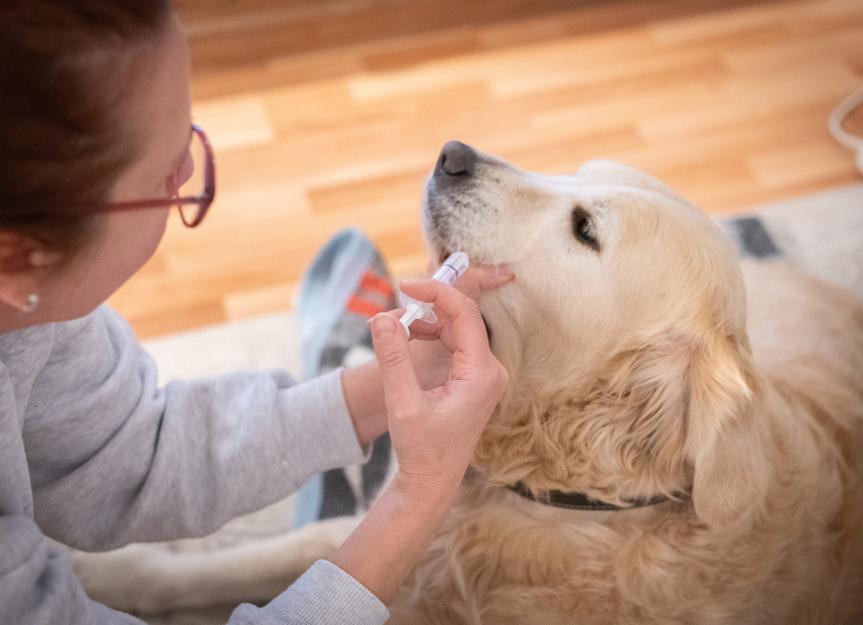
Trazodone for Dogs: Is This Anti-Anxiety Med Right for Your Pup?
Here's a fact that might surprise you: dogs don't just 'deal' with anxiety; chronic stress can actually shorten their lifespan by impacting telomere length, those protective caps on the end of their chromosomes. So, addressing your dog's anxiety isn't just about a better quality of life; it's about a longer one, too.
For dogs struggling with anxiety, trazodone is frequently prescribed. This medication can help manage separation anxiety, noise phobias, and pre- or post-surgical stress. However, like all medications, it's essential to understand potential side effects and proper usage. Read on to get the gritty vet-approved details about trazodone for your canine companion.
What is Trazodone Used For in Dogs?
Trazodone is a human antidepressant often prescribed off-label by vets to treat anxiety and behavior issues in dogs. It's commonly used for separation anxiety, noise phobias (fireworks, thunderstorms), and as a sedative before stressful events like vet visits. It can also be prescribed post-surgery to help with crate rest.
Is Trazodone an Effective Dog Anxiety Medication? The Clinical Perspective
Honestly, trazodone isn't a cure-all, but it can be a powerful tool. In the exam room, I often explain to owners that trazodone works by increasing serotonin levels in the brain. Serotonin, a neurotransmitter, plays a crucial role in regulating mood and behavior. When a dog experiences anxiety, there's often an imbalance of serotonin. Trazodone helps to correct this imbalance by blocking the reuptake of serotonin, allowing more of it to be available in the synaptic cleft—the space between nerve cells—to exert its calming effects. This modulation of serotonin can alleviate anxiety symptoms, promoting a sense of calm and well-being in dogs.
However, it's essential to understand that trazodone's effectiveness can vary depending on the dog and the specific cause of anxiety. Some dogs respond very well, while others may require a higher dose or a combination of medications. It's also important to rule out any underlying medical conditions that may be contributing to the anxiety. For example, a dog with chronic pain may exhibit anxiety-like behaviors, and addressing the pain will be crucial in managing the anxiety. In these cases, trazodone may be used as an adjunct therapy to help manage the anxiety while the underlying medical condition is being treated.
When is Trazodone Prescribed?
- Situational Anxiety: Think vet visits, grooming, or travel. Trazodone can be given a few hours beforehand.
- Separation Anxiety: When a dog panics when left alone, leading to destructive behavior or excessive vocalization.
- Noise Phobias: Many dogs are terrified of thunderstorms or fireworks. Trazodone can lessen the fear response.
- Post-Surgical Confinement: After surgery, dogs often need crate rest, which can be stressful. Trazodone can help them relax.
Is Trazodone FDA-Approved for Dogs?
Trazodone is not FDA-approved for veterinary use, but vets can legally prescribe human drugs for animals under certain conditions. This is called "off-label" use. It's mission-critical to follow your vet’s exact directions.
Compounded Trazodone: What You Need to Know
Sometimes, your vet might suggest a compounded form of trazodone. This is usually because the commercially available dosages aren't quite right for your dog, or your dog has trouble swallowing pills. Compounding pharmacies can create custom formulations, but these aren't FDA-approved, so quality can vary.
Trazodone Considerations for Dogs: What to Discuss With Your Vet
Trazodone isn't right for every dog. It's crucial to discuss your dog's medical history and any other medications they're taking with your veterinarian. This helps prevent potentially dangerous drug interactions. Also, be aware that trazodone can cause drowsiness, which may not be ideal for working dogs.
When is Trazodone Contraindicated?
- Hypersensitivity: Dogs allergic to trazodone should never take it.
- Medical Conditions: Use with caution in dogs with heart, liver, or kidney disease, and angle-closure glaucoma. These conditions can alter how the drug is metabolized and excreted, increasing the risk of side effects.
- Drug Interactions: Trazodone can interact negatively with certain medications, especially other antidepressants.
The Red Flag Checklist: When to Avoid Trazodone
- Existing Sedation: If your dog is already on a sedative, adding trazodone could be too much.
- Seizure History: Trazodone can lower the seizure threshold in some dogs.
- MAO Inhibitors: Never give trazodone with MAO inhibitors like selegiline (Anipryl).
How Does Trazodone Calm Dog Anxiety?
Trazodone increases serotonin levels in the central nervous system. Serotonin is a neurotransmitter that regulates behavior and mood. By increasing serotonin, trazodone can help reduce anxiety and promote calmness in dogs. Selective serotonin reuptake inhibitors (SSRIs) work similarly.
The Science Behind the Serotonin Boost
Here's the deal: serotonin isn't just about feeling good; it's fundamental to how your dog's brain processes fear and stress. When a dog is anxious, the neurons in their brain are firing rapidly, releasing stress hormones like cortisol. Trazodone helps to modulate this response by ensuring that serotonin is readily available to dampen down those overactive neurons. This is why you might see your dog become less reactive to triggers, like loud noises or strangers, after starting trazodone. It's not that the trigger disappears, but your dog's brain is better equipped to handle the stress response.
Moreover, trazodone's effects extend beyond just the immediate calming effect. By helping to regulate serotonin levels over time, it can also contribute to long-term improvements in your dog's overall mood and behavior. This is particularly important for dogs with chronic anxiety, as it can help to break the cycle of fear and stress that can lead to other behavioral problems.
How To Give Trazodone to Dogs: Dosage and Timing
Dosage depends on the dog's weight and the reason for use. Follow your vet's instructions precisely. Trazodone can be given daily or as needed, usually 90 minutes before a triggering event. If your dog's condition doesn't improve, contact your vet.
What's the Right Dosage?
Honestly, there's no one-size-fits-all dose. I tell my clients it's a balancing act. The vet will start with a low dose and gradually increase it until the desired effect is achieved. Factors like your dog's metabolism, age, and overall health play a role. Never adjust the dosage without your vet's approval.
What If I Miss a Dose?
Contact your vet. Don't double the next dose. They'll advise you on what to do, whether to give the missed dose or skip it.
Possible Side Effects of Trazodone in Dogs: What to Watch For
Trazodone is usually well-tolerated, but side effects can occur. The most common ones involve the digestive system: vomiting, diarrhea, and nausea. Less common side effects include increased anxiety, aggression, and elevated heart rate. Serotonin syndrome, a rare but serious condition, can occur when trazodone is combined with other behavioral drugs.
Understanding Serotonin Syndrome
Serotonin syndrome is a potentially life-threatening condition that can occur when there's too much serotonin activity in the brain. This can happen when trazodone is combined with other drugs that also increase serotonin levels, such as SSRIs or MAO inhibitors. The symptoms of serotonin syndrome can range from mild to severe and can include agitation, tremors, seizures, increased heart rate, and changes in mental status. If you notice any of these signs in your dog, it's vital to seek immediate veterinary care.
Red Flags: When to Seek Immediate Care
- Severe Digestive Upset: Constant vomiting or bloody diarrhea.
- Neurological Signs: Seizures, tremors, or disorientation.
- Changes in Behavior: Extreme agitation, aggression, or unresponsiveness.
- Breathing Difficulties: Labored breathing or rapid panting.
Human Side Effects
This is a human drug, but dosages and side effects differ in humans. If you accidentally ingest it, call your doctor or Poison Control (800-222-1222).
Monitoring Your Pet
No specific monitoring is needed, but your vet might recommend routine tests based on your dog's health and other medications.
When To Call Your Vet
Call your vet if you see severe side effects (especially serotonin syndrome signs), worsening condition, no improvement, suspected overdose, or have any concerns.
Trazodone Overdose Concerns in Dogs: What Are the Risks?
Overdosing on trazodone can cause sedation, lethargy, incoordination, and vomiting. Combining it with other serotonin-affecting drugs can lead to serotonin syndrome. If you suspect an overdose, get emergency vet care or contact a poison control center immediately.
Immediate Actions for Suspected Overdose
- Contact a Poison Control Center: Pet Poison Helpline (855-764-7661) or ASPCA Animal Poison Control (888-426-4435). Note that consultation fees often apply.
- Gather Information: Have the medication bottle, dosage information, and your dog's weight ready.
- Prepare for a Vet Visit: The vet may need to induce vomiting or administer activated charcoal to absorb the drug.
How To Store Trazodone for Dogs: Keep It Safe
Store compounded medications as directed by the pharmacy. Trazodone should be kept at 68–77 F (20–25 C), protected from moisture and light, and out of reach of children and pets. Always check the label for storage instructions.
Trazodone for Dogs FAQs
How fast does trazodone work in dogs?
Trazodone typically takes effect within one to two hours when used as needed. For daily use, it may take a few weeks to see improvement, though gradual changes may be noticeable sooner.
How long does trazodone last in dogs?
Trazodone generally lasts for about eight to 12 hours in dogs, providing a window of calm and reduced anxiety.
What is the biggest side effect of trazodone?
The most common side effect of trazodone is digestive upset, including vomiting, diarrhea, and nausea. However, it is generally well-tolerated.
Can trazodone cause diarrhea in dogs?
Yes, diarrhea is a possible gastrointestinal side effect, but trazodone is usually well-tolerated by dogs when administered correctly.
What does trazodone do for dogs?
Trazodone is a prescription anti-depressant medication that can help dogs stay calm during certain anxiety-inducing events, such as separation, loud noises (thunderstorms or fireworks), and veterinary or grooming visits.
How much trazodone do you give a dog?
The safest way to know the proper dose of trazodone for your dog is to ask your veterinarian and follow the directions on the drug label.
Is trazodone safe for dogs?
Trazodone is generally considered safe for most dogs, as directed by their veterinarian. Speak with your vet first to ensure this medication is appropriate for your dog.