

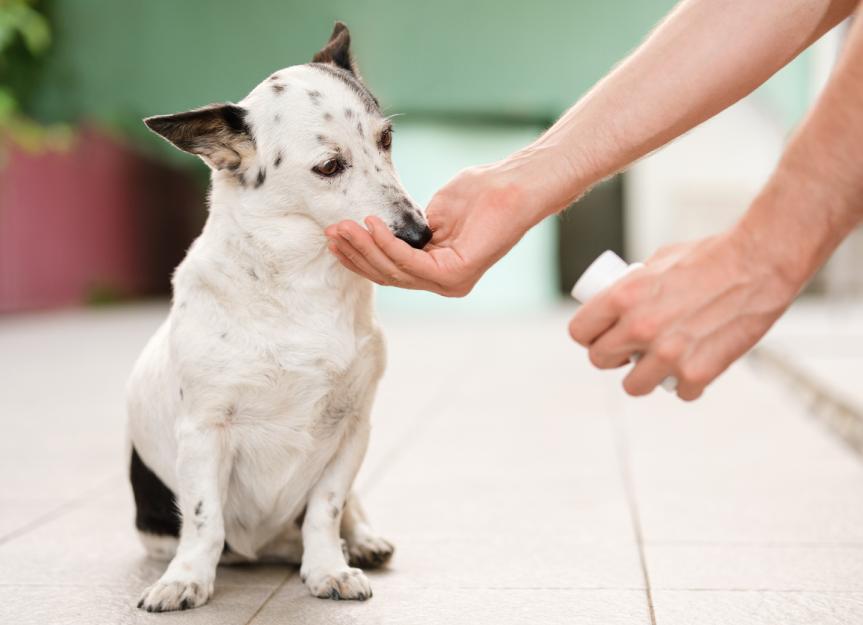
Is Voriconazole the Right Choice for My Dog's Fungal Infection? A Vet's Masterclass
Here's a fact that might sting: the 'natural' remedies you found online? They often delay proper treatment and can make fungal infections significantly worse. Don't fall for the hype. Time is tissue when it comes to systemic mycosis.
Voriconazole is an antifungal medication primarily used in dogs to combat systemic fungal infections. It works by disrupting fungal cell membrane production. However, it’s not a first-line drug due to potential side effects, especially in certain breeds or dogs with liver issues. Always consult with your veterinarian to determine the best course of treatment.
What is Voriconazole and When is it Considered for Dogs?
Voriconazole is an antifungal medication used to treat systemic fungal infections in dogs, horses, birds, and reptiles. It's rarely used in cats due to potential liver toxicity. It's most often considered when other antifungals have failed to resolve infections caused by organisms like Cryptococcus, Aspergillus, or those responsible for Valley Fever and blastomycosis.
Honestly, in the exam room, I often see owners who are terrified when I mention a 'azole' antifungal. Here's the deal: these drugs are powerful, but they aren't candy. We consider Voriconazole when we're dealing with deep-seated fungal infections that haven't responded to safer, first-line treatments like fluconazole or itraconazole. These infections can be devastating. Systemic mycoses are not like ringworm. They disseminate via the bloodstream and can colonize the brain, eyes, and heart.
How Does Voriconazole Work to Fight Fungal Infections? The Clinical Perspective
Voriconazole inhibits fungal growth by interfering with the production of ergosterol, a crucial component of fungal cell membranes. Ergosterol maintains membrane integrity and fluidity, and without it, the fungal cells become leaky and die. This disruption occurs through voriconazole's binding to fungal cytochrome P450 enzymes, specifically CYP51, which are essential for ergosterol synthesis.
Let's translate that "vet-speak": Voriconazole essentially sabotages the fungus's ability to build its own house. It targets the enzymes responsible for making ergosterol. Without ergosterol, the fungal cell walls become weak and unstable. Think of it like trying to build a house with rotten lumber. The fungal cells can't maintain their structure, leading to cell death and halting the infection's spread. This is mission-critical because fungi have evolved remarkable strategies to evade the immune system. Their cell walls contain chitin and other polysaccharides that resist degradation by immune cells. Certain fungi can even alter their morphology, switching between yeast and hyphal forms to enhance their invasiveness.
What are the Potential Side Effects of Voriconazole in Dogs? A Red Flag Checklist
Common side effects of voriconazole in dogs include vomiting, diarrhea, loss of appetite, and lethargy. More serious side effects, though less common, involve liver toxicity, which can manifest as jaundice (yellowing of the gums, skin, or whites of the eyes) and incoordination (ataxia). If any of these severe signs are observed, immediate veterinary attention is necessary.
Now, I'm not going to sugarcoat it: Voriconazole can be a tough drug. Here's what I tell my own clients: monitor your dog closely. We're talking about potential liver irritation. Look for decreased appetite, vomiting (especially if it's new), and any hint of yellowing. Other signs include incoordination (ataxia) or changes in behavior. Also, some dogs experience neurological side effects like tremors or seizures, though these are rare. The biological 'why' here is that Voriconazole is metabolized by the liver, and in some dogs, this process can lead to the accumulation of toxic byproducts that damage liver cells (hepatocytes). This damage can disrupt normal liver function, leading to elevated liver enzymes (ALT, AST) and potentially liver failure.
How Do I Administer Voriconazole to My Dog? Voriconazole Directions
Voriconazole should be administered exactly as prescribed by your veterinarian. Generally, it is given orally on an empty stomach, at least one hour before or two hours after a meal, to maximize absorption. The dosage and frequency depend on the specific fungal infection and your dog's overall health.
Here's a pro-tip I share with owners: consistency is non-negotiable. Set a reminder on your phone. If you miss a dose, call your vet immediately. Don't double up on the next dose. Food can significantly reduce the absorption of voriconazole from the gastrointestinal (GI) tract. This is because certain food components can bind to voriconazole, preventing it from being absorbed into the bloodstream. Therefore, giving the medication on an empty stomach ensures that it is efficiently absorbed, maximizing its effectiveness against the fungal infection. Also, ensure your dog has access to fresh water at all times, as some dogs may experience increased thirst while on this medication.
What Monitoring is Necessary While My Dog is on Voriconazole?
Regular monitoring is crucial when a dog is taking voriconazole. Your veterinarian will likely recommend blood tests to assess liver function (ALT, AST) and kidney function (BUN, creatinine). These tests help detect early signs of toxicity and ensure the medication is not causing undue harm to your dog's organs.
From a clinical perspective, these blood tests aren't just "nice to haves"; they are absolutely mission-critical. We're looking for early indicators of liver damage. Elevated liver enzymes are a red flag. We might also check voriconazole blood levels to ensure the drug is within the therapeutic range. Some dogs metabolize the drug faster than others, and adjusting the dose may be required. Furthermore, your vet might suggest occasional urine tests to monitor kidney function, as voriconazole can, in rare cases, affect the kidneys. The biological 'why' here is that Voriconazole is primarily metabolized by the liver, specifically by cytochrome P450 enzymes. This metabolic process can generate reactive intermediates that can damage liver cells, leading to elevated liver enzymes and, in severe cases, liver failure.
Home-Care Hacks: Supporting Your Dog During Voriconazole Treatment
While your dog is on voriconazole, provide a quiet, comfortable environment to minimize stress. Ensure they have easy access to fresh water and a bland, easily digestible diet to help manage potential gastrointestinal upset. Avoid giving any other medications or supplements without consulting your veterinarian, as they could interact with voriconazole.
Here are some home-care hacks that have worked for my clients: small, frequent meals can sometimes help with nausea. Think boiled chicken and rice. Probiotics can help restore gut flora if diarrhea becomes a problem. But honestly, the biggest thing you can do is be observant. Note any changes in your dog's behavior, appetite, or bowel movements, and report them to your vet promptly. Remember, you are your dog's advocate. You're the one who sees them every day. Your observations are invaluable.
Voriconazole Overdose: What to Watch For
Signs of a voriconazole overdose in dogs may include severe vomiting, diarrhea, incoordination, seizures, and difficulty breathing. If you suspect your dog has overdosed on voriconazole, contact your veterinarian or an animal poison control center immediately.
Honestly, overdoses are scary, but they are also often preventable. Keep all medications in a secure location, out of reach of your dog. If you suspect an overdose, don't wait. Time is of the essence. Contact your vet, an emergency clinic, or a pet poison helpline immediately. Do not induce vomiting unless specifically instructed to do so by a veterinary professional. Bring the medication container with you so the vet can determine the exact dosage your dog ingested. Overdoses can lead to severe liver damage, neurological problems, and even death. The faster you act, the better the chances of a positive outcome.
How Should I Store Voriconazole?
Voriconazole tablets should be stored at room temperature, away from moisture and light. Keep the medication in its original container, tightly closed. Compounded formulations may have specific storage instructions, so follow the directions provided by the compounding pharmacy. Always keep medications out of reach of children and pets.
Here's what I tell my clients: think of medications like you think of good wine: cool, dark, and dry. Avoid storing voriconazole in the bathroom, where humidity can degrade the medication. Don't leave it on a sunny windowsill. And always, always keep it out of reach of children and pets. Accidental ingestion can have serious consequences. Write the date you opened the container on the label. Some medications degrade over time, and it's important to know when to discard them safely.