

Is Solensia the Right Choice? Treating Cat Osteoarthritis with Frunevetmab
Here's a truth bomb most owners don't realize: cats are masters of disguise when it comes to pain. They'll often hide discomfort until it's excruciating. This is especially true for osteoarthritis. By the time you notice your cat slowing down, their joints could be seriously damaged.
For Busy Owners: Solensia (frunevetmab) is an FDA-approved injection for feline osteoarthritis pain, administered monthly by your vet. It works by blocking nerve growth factor (NGF), a key player in pain signaling. Potential side effects include vomiting, diarrhea, and skin reactions, but are generally mild.
What is Solensia™ (frunevetmab) for Cats?
Solensia™ is the first and only FDA-approved treatment specifically designed to alleviate the pain associated with osteoarthritis in cats. This injectable medication, administered monthly by your veterinarian, offers a novel approach to managing chronic pain in our feline companions. Many owners report dramatic improvements in their cat's mobility and overall quality of life.
How Does Solensia™ Work to Relieve Arthritis Pain?
Frunevetmab, the active ingredient in Solensia™, is a game-changer because it's a monoclonal antibody. These antibodies are lab-engineered proteins that act like guided missiles, targeting specific substances in the body. In this case, frunevetmab targets nerve growth factor (NGF). Here's the deal: NGF is a mission-critical protein involved in sending pain signals to the brain. In osteoarthritic joints, there's an overabundance of NGF. Frunevetmab binds to NGF, preventing it from binding to its receptors and effectively shutting down the pain pathway. It's like intercepting a text message before it reaches its recipient.
The Clinical Perspective (Biological ‘Why’)
Let's go deeper. Osteoarthritis isn't just "wear and tear." It's a complex cascade of biological events. Cartilage degradation leads to bone-on-bone friction, triggering inflammation and the release of NGF. This NGF, in turn, sensitizes nerve endings in the joint, amplifying pain signals. Moreover, chronic inflammation promotes further cartilage breakdown, creating a vicious cycle. Frunevetmab interrupts this cycle by specifically targeting NGF, offering a more targeted approach than traditional pain medications like NSAIDs, which can have significant side effects, especially in cats due to their unique liver metabolism. Remember, cats lack specific enzymes for drug metabolism, making them more susceptible to toxicity.
Solensia™ Dosage and Administration: What to Expect at the Vet
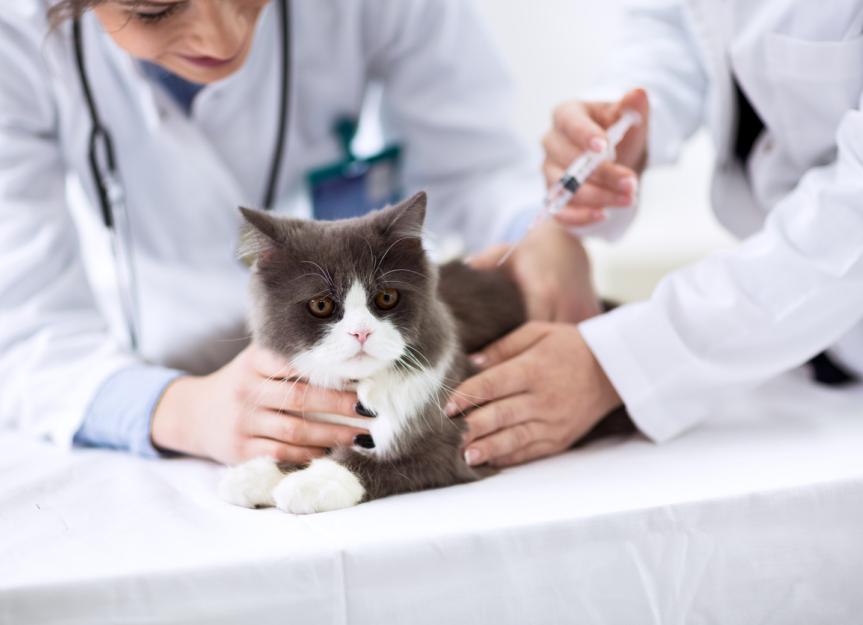
Solensia™ is exclusively available through your veterinarian. This isn't some marketing ploy; it's actually mission-critical. Your vet needs to properly diagnose osteoarthritis. They also administer the injection and monitor your cat for any adverse reactions. The injection is given subcutaneously (under the skin) once a month. The dosage is based on your cat's weight. I can't stress this enough: never attempt to administer this medication yourself. Honestly, you could cause serious harm.
Missed a Dose? If you're late for your cat's monthly injection, contact your vet immediately. They'll reschedule the appointment and advise you on how to proceed. Don't double up on doses or try to catch up on your own. Consistency is key for optimal pain management.
Home-Care Hacks (Low-Cost, Practical Tips)
- Environmental Modifications: Provide soft bedding, low-sided litter boxes, and ramps or steps to help your cat access their favorite spots.
- Weight Management: Obesity exacerbates osteoarthritis. Talk to your vet about a weight-loss plan if your cat is overweight.
- Gentle Exercise: Encourage gentle play and range-of-motion exercises to maintain joint flexibility.
- Nutritional Supplements: Consider adding omega-3 fatty acids or glucosamine/chondroitin supplements to your cat's diet. Always consult your vet first.
Are There Potential Side Effects of Solensia™ (frunevetmab) in Cats?
Like all medications, Solensia™ can have potential side effects, although they are generally mild and uncommon. The most frequently reported side effects include vomiting, diarrhea, pain at the injection site, scabs on the head and neck, and itchy skin (pruritus). It's also non-negotiable to avoid using Solensia™ in breeding, pregnant, or lactating cats. The medication could potentially cross the placental barrier or be excreted in milk, posing a risk to kittens.
The Red Flag Checklist (When to Panic vs. When to Wait)
- Severe Allergic Reaction: Difficulty breathing, facial swelling, hives. This is an emergency.
- Persistent Vomiting or Diarrhea: If your cat vomits or has diarrhea for more than 24 hours, contact your vet.
- Severe Skin Reactions: Widespread scabs, hair loss, or intense itching.
- Lethargy or Loss of Appetite: If your cat becomes unusually lethargic or stops eating, seek veterinary attention.
What Happens if My Cat Overdoses on Solensia™?
While Solensia™ is generally well-tolerated, an overdose is possible. Overdose symptoms mirror the common side effects but are usually more severe. These include intense gastrointestinal upset (severe vomiting and diarrhea) or pronounced skin reactions (extensive scabs, intense itching, and hair loss). If you suspect an overdose, contact your veterinarian, seek emergency veterinary care, or call a pet poison control center immediately.
How Should Solensia™ Be Stored Properly?
Your veterinarian is responsible for storing Solensia™ correctly. It needs to be refrigerated between 35-46°F (2-8°C) and protected from light. Freezing should be avoided. Always double-check storage instructions on the prescription label. And here's a no-brainer: keep it out of reach of children and pets.
Solensia™ for Cats: Frequently Asked Questions
What is the Cost of Solensia™ Injections for Cats?
The cost of Solensia™ injections can vary. Factors include your geographical location, the type of veterinary practice (specialty hospital vs. general practice clinic), and the required dosage based on your cat's weight. Honestly, call your vet and ask. They'll give you a straight answer.
Is Solensia™ a Cure for Osteoarthritis in Cats?
Solensia™ doesn't cure osteoarthritis. It's not a magic bullet. It manages the pain associated with the condition. It improves your cat's comfort and quality of life. Osteoarthritis is a progressive disease, often linked to age-related declines in chondrocyte activity and increased production of inflammatory cytokines within the joint capsule.
How Long Does it Take for Solensia™ to Work in Cats?
Most owners report seeing improvements in their cat's mobility and activity levels within a week or two of the first injection. However, it can take up to a month to see the full effects of the medication. Remember, every cat responds differently. It depends on the severity of their osteoarthritis and their individual metabolism.
Can Solensia™ Be Used with Other Medications for Cats?
Generally, Solensia™ can be used with other medications. However, it's non-negotiable to inform your veterinarian about all medications and supplements your cat is receiving. This includes over-the-counter drugs, herbal remedies, and even certain dietary supplements. This helps to avoid potential drug interactions and ensure the safe and effective use of Solensia™.