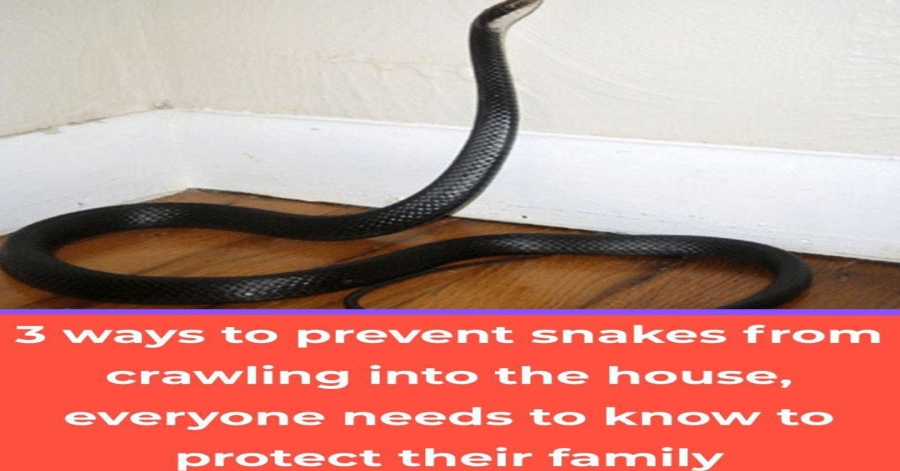
Snakes are fascinating creatures with a powerful sense of smell that compensates for their weak eyesight. While they play a vital role in the ecosystem, their presence in our homes is understandably unwelcome. Driven by the search for shelter, water, and food—especially during hot, dry weather—these legless but swift animals often venture into human habitats, particularly those near gardens or with rodent problems.
Whether a species is venomous or not, an encounter is always alarming and can be dangerous. Fortunately, there are effective, practical steps you can take to make your property less inviting.
#### **Why Snakes Enter Homes**
Understanding what attracts snakes is the first step to deterring them. They are drawn to:
* **Shelter:** Overgrown grass, dense shrubs, woodpiles, and clutter offer perfect hiding spots.
* **Food:** Properties with rodents, chickens, or small pets are a prime target.
* **Water & Climate:** During hot weather, they seek cool, damp areas and water sources.
#### **3 Effective Strategies to Deter Snakes**
Here are the most reliable methods to keep snakes at bay.
**1. Leverage Natural Repellents**
Certain plants produce strong odors that snakes find offensive. Integrating these into your landscaping creates a natural barrier.
* **Lemongrass:** A versatile choice that repels both snakes and insects like mosquitoes. Plant it along fences or entry points.
* **Garlic and Onions:** Plants like purple garlic orchids and onion bulbs emit a pungent scent that snakes avoid.
* **Important Note:** While helpful, plants alone are not a guaranteed solution. They should be used in conjunction with other methods.
**2. Secure the Perimeter with Care**
For a stronger deterrent, some turn to orpiment powder (arsenic sulfide). This yellow powder has a sharp odor that creates an effective invisible barrier when sprinkled around property lines.
* **Crucial Warning:** Orpiment is highly toxic. Always wear gloves and a mask when handling it and ensure it is kept far from children, pets, and any sources of food or water.
**3. Employ Natural Predators**
Domestic pets are excellent snake deterrents.
* **Cats and Dogs:** Their presence, scent, and activity naturally discourage snakes from settling in your yard.
* **Pest Control:** More importantly, they help control the rodent population, eliminating a primary food source that attracts snakes in the first place. Their keen senses can also alert you to a snake's presence early.
#### **Essential Preventive Maintenance**
The most effective strategy is making your property inhospitable.
* **Trim and Tidy:** Keep your grass short, clear away debris, and remove woodpiles.
* **Eliminate Food Sources:** Seal garbage cans tightly and use traps to manage rodent infestations.
* **Seal Entry Points:** Check your home's foundation, doors, and windows for gaps and seal them.
#### **What to Do If You Encounter a Snake**
1. **Stay Calm and Keep Your Distance.** Do not attempt to handle or kill it yourself.
2. **Call a Professional.** Contact animal control or a professional wildlife removal service for safe extraction.
3. **In Case of a Bite:** **Seek immediate medical attention.** Do not use tourniquets, try to suck out the venom, or apply ice. Keep the victim calm and still and get them to a hospital as quickly as possible.
By combining preventative maintenance with natural deterrents, you can significantly reduce the chances of a slithery surprise and enjoy a safer, snake-free home.