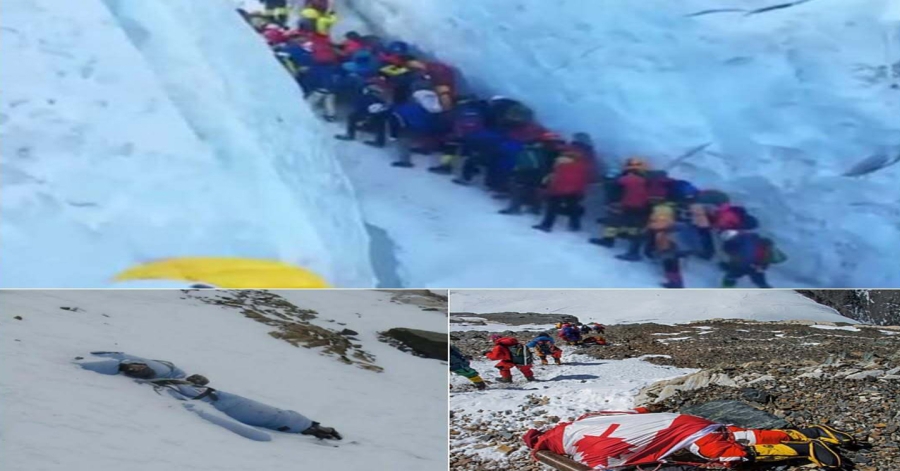
During the spring of 2019, the world's highest peak became the site of one of mountaineering's most devastating tragedies. Mount Everest, standing at 29,032 feet, claimed 11 lives in just nine days during what experts have called the mountain's most catastrophic climbing season. By season's end, 18 climbers had perished, surpassing the death toll of the infamous 1996 disaster chronicled in Jon Krakauer's "Into Thin Air."
**What Caused the Tragedy?**
The disaster resulted from a dangerous convergence of factors. Nepal issued a record 381 climbing permits—a significant increase from 346 the previous year—with commercial expedition companies charging between $30,000 and $100,000 per climber. This surge in climbers coincided with an exceptionally narrow weather window of just a few clear days in late May, creating a bottleneck of unprecedented proportions.
The resulting queues forced climbers to wait two to three hours in the "death zone"—the area above 26,000 feet where the human body begins deteriorating rapidly. Temperatures plunged to minus 30 degrees Fahrenheit as climbers stood trapped on the Hillary Step and summit ridge, their oxygen supplies dwindling with each passing minute.
**The Human Cost**
The overcrowding proved particularly deadly for inexperienced climbers, many of whom relied heavily on Sherpas for fixed ropes and oxygen support. While waiting in sub-zero temperatures, numerous climbers succumbed to altitude sickness, frostbite, and exhaustion. Among the victims were 55-year-old Indian climber Anjali Kulkarni, who collapsed from fatigue, and 62-year-old American Christopher Kulish, who suffered a fatal heart attack shortly after reaching the summit.
**Images That Shocked the World**
Photographs from the deadly season went viral across social media platforms, showing a conga line of brightly colored climbing suits snaking toward the summit against a backdrop of pristine white snow. These haunting images captured the surreal horror of the situation—a traffic jam at the top of the world where each stopped climber faced deteriorating conditions and diminishing chances of survival.
**Voices from the Death Zone**
Survivors recounted harrowing experiences of stepping over frozen bodies and watching fellow climbers take their final breaths. Many described the agonizing decision to continue upward or turn back, knowing that hours-long delays could mean death either way. Their testimonies painted a vivid picture of the mountain's unforgiving nature and the thin line between triumph and tragedy at extreme altitude.
**Lasting Lessons**
The 2019 disaster prompted soul-searching throughout the mountaineering community. Questions emerged about permit systems, climber experience requirements, and the commercialization of Everest expeditions. The tragedy served as a stark reminder that even the world's highest peak has finite capacity, and that human ambition must be balanced against the mountain's relentless and unforgiving conditions.
For those who follow adventure and exploration, the 2019 Everest season stands as a sobering testament to the mountain's power and the profound risks that remain, even in an era of advanced equipment and experienced guiding. The viral images from that spring continue to circulate as powerful reminders that on Everest, the ultimate price of overcrowding is paid in human lives.