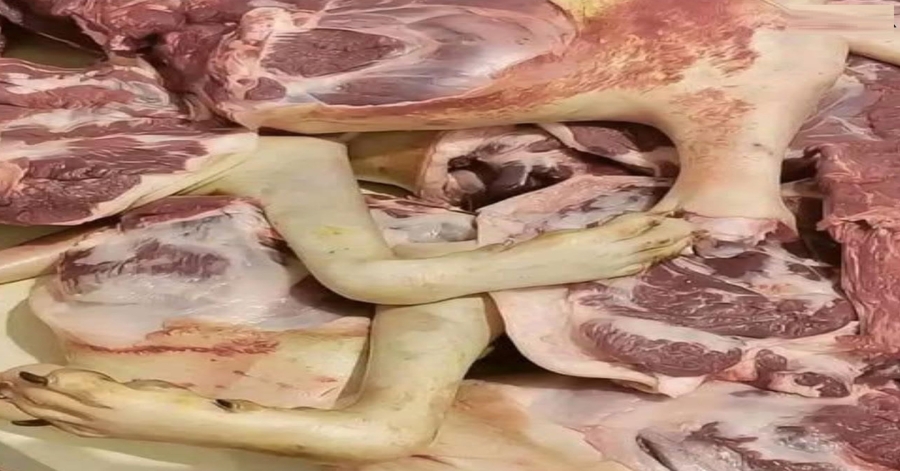
In the annals of food safety, few incidents have shaken the public consciousness quite like the "Meat Scandal." While the term has been applied to various controversies over the decades—from horse meat being passed off as beef in Europe to widespread contamination in supply chains—the scandal that redefined the modern food industry was the 2013 European horsemeat adulteration crisis. It was a moment that exposed the fragility of the global food system, revealing that the steak on your plate might not be what the label promised. This article dissects the anatomy of that scandal, its fallout, and the lasting legacy it left on how we eat.
### The Discovery: A Trace of Equine DNA
The scandal broke in January 2013 when the Food Safety Authority of Ireland (FSAI) released a bombshell report. In a routine DNA testing survey of beef products, they found that approximately 37% of burger samples contained horse DNA. Even more alarming, 85% of those samples contained pig DNA. While the presence of pig DNA was a violation of religious dietary laws, the horse DNA was a red flag for widespread fraud.
The story escalated rapidly. In the UK, supermarket chains like Tesco, Aldi, and Lidl were forced to pull millions of burgers from their shelves. However, the "tip of the iceberg" was only just emerging. Subsequent tests on ready-meals like lasagna and cottage pies revealed that some "100% beef" products contained up to 100% horsemeat.
### The Supply Chain Maze
To understand how horsemeat ended up in a "beef" lasagna, one must understand the complexity of the modern food supply chain. This was not a case of a single rogue butcher; it was a systemic failure involving multiple countries and intermediaries.
The trail led back to a web of meat processing plants in Ireland, the UK, and the Netherlands, sourcing raw materials from as far away as Poland and Romania. The investigation uncovered a sophisticated fraud network where cheaper meats—specifically horsemeat—were purchased for a fraction of the cost of beef and deliberately mislabeled to maximize profits.
The key turning point was the discovery of a Belgian-Dutch trading company, which acted as the central hub. This company imported frozen boneless horsemeat from a Romanian abattoir, labeled it as "beef," and sold it to a meat processor in Cyprus. That processor then used the adulterated meat to produce frozen lasagna and burgers that were sold across Europe. The food chain had become so convoluted that no single entity—not the supermarkets, not the regulators, and not even the manufacturers—knew exactly what was in their products.
### Health Risks vs. Consumer Trust
Fortunately, the health risks associated with the horsemeat scandal were minimal. The meat was deemed safe for human consumption, and there was no immediate public health crisis. However, the scandal was not about health; it was about *trust*.
Consumers felt betrayed. They had paid a premium for beef products, only to find they were eating a meat they considered taboo or culturally unacceptable. For religious communities, particularly Muslims and Jews, the discovery of pork and horse DNA rendered the food haram or non-kosher, causing immense distress.
The scandal exposed a profound disconnect between the marketing of food (farm-fresh, natural, authentic) and the industrial reality (globalized, commoditized, and opaque). It shattered the illusion that a "British beef" burger was actually British or even entirely beef.
### The Fallout: Fines, Lawsuits, and Legislation
The fallout was swift and severe.
1. **Financial Penalties:** In 2014, the French meat company Spanghero was heavily fined and banned from trading in meat. In 2018, two meat processing plants in the Netherlands were closed. In the UK, the Food Standards Agency launched Operation Hawthorn to crack down on food fraud.
2. **Legal Convictions:** In 2017, the director of a Polish meat processing plant was sentenced to prison for organizing the fraud. In the UK, three men from a meat supplier were jailed for conning customers out of millions of pounds by passing off cheap meat as premium beef.
3. **Regulatory Reform:** The European Union implemented stricter DNA testing protocols for meat products. The "Farm to Fork" strategy, a cornerstone of the EU's Green Deal, gained traction, emphasizing traceability and transparency. Supermarkets began demanding shorter, simpler supply chains and implemented mandatory DNA testing for all meat products.
### The Legacy: A More Cautious Consumer
A decade on, the "Meat Scandal" has permanently altered the consumer landscape. It gave rise to the "clean label" movement, where shoppers scrutinize ingredient lists and demand simpler, more transparent packaging. It also spurred the growth of the local food movement, as consumers, wary of global supply chains, turned to local butchers and farmers' markets where they could see the source of their meat.
Furthermore, the scandal inadvertently boosted the vegan and plant-based meat industry. If consumers couldn't trust the origin of their beef, they reasoned, perhaps it was safer to switch to a plant-based alternative that was exactly what it claimed to be.
### Conclusion
The "Meat Scandal" was a wake-up call. It proved that in a globalized economy, the price of cheap food is often paid in integrity. While the industry has since implemented stricter controls, the scandal serves as a cautionary tale: food fraud is not a victimless crime. It erodes the very foundation of the consumer-producer relationship. Today, when you buy a package of meat, you are not just buying protein; you are buying a story. The Great Meat Scandal taught us that if we don't check the facts of that story, someone else might be writing the fiction.